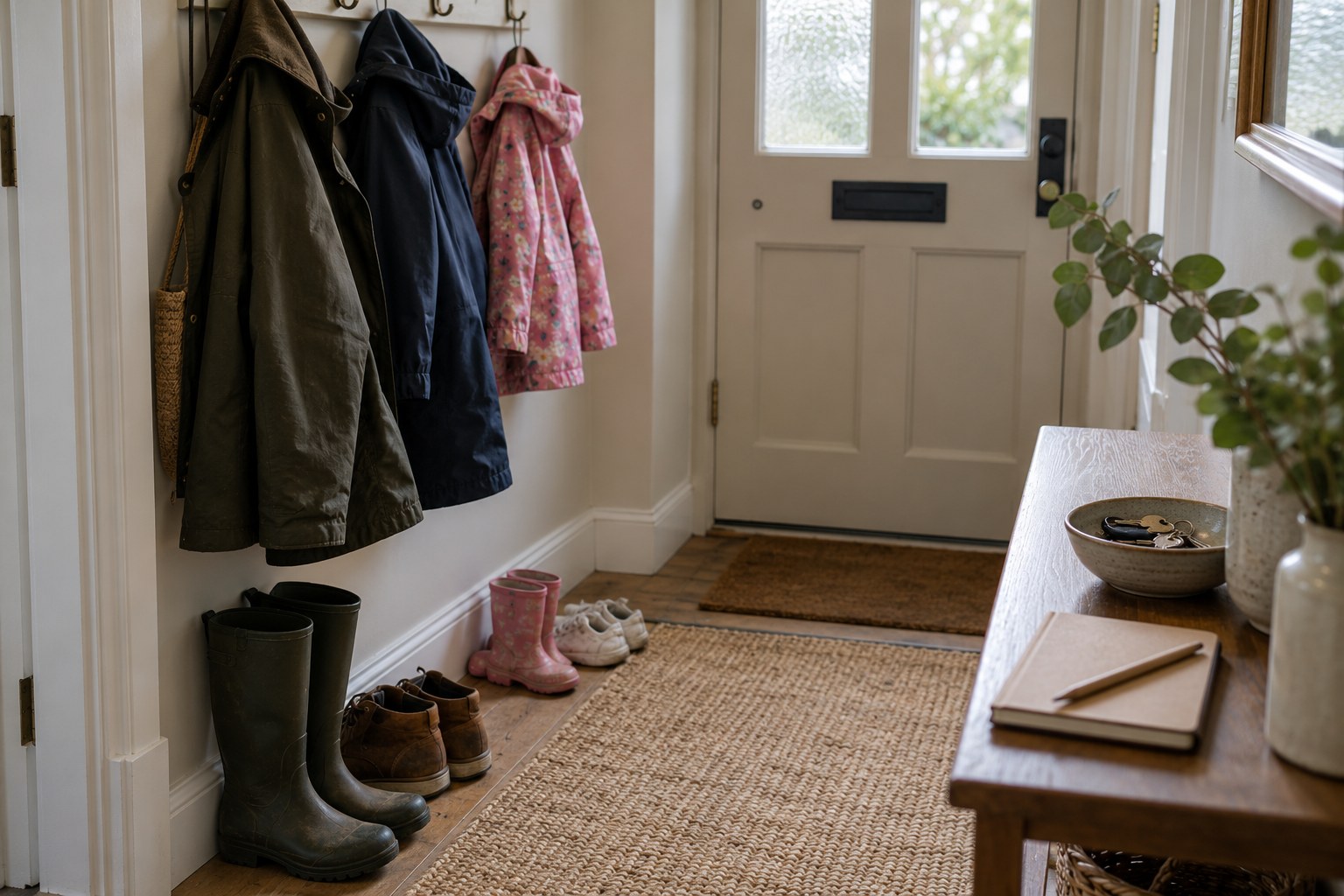
Agree who does what if the person normally responsible cannot get home. A useful household handover names an available backup, records the right contacts and fits the arrangements of any school, childcare provider or care service involved.
A disruption plan can begin with a delayed train or road closure. It does not need an extreme scenario to make the conversation worthwhile.
Start with one ordinary responsibility
Choose a task such as collecting a child, letting a dependent relative know what is happening or dealing with an appointment. Ask who normally handles it and what happens if that person is unavailable.
Do not name a backup without discussing it with them. Availability, access and willingness are different questions. The plan becomes more useful when each person knows what they have agreed to do.
Check the provider’s actual procedure
Be Ready recommends keeping school or childcare contact details current and discussing household arrangements in advance. [1] Build your own plan around the provider’s procedure.
Ask how an authorised collector is recorded, what happens when the normal collector is delayed and how the provider communicates an unexpected closure. Do not assume an informal family note overrides safeguarding requirements. Children should follow their school or carer’s instructions, rather than independently travelling to a meeting point suggested in a general guide.
| Decision | What to record privately |
|---|---|
| Normal responsibility | Who usually handles the task |
| First backup | The person who has agreed to help |
| Provider procedure | Where the current instructions are kept |
| Contact method | The agreed number or other route |
| Unresolved issue | Who will get an answer |
Plan for a missed message
Be Ready advises keeping important contacts on paper and agreeing arrangements before communications fail. [2] Decide which information your household would need if the usual group chat were inaccessible.
Keep the written copy small and practical. It might contain agreed contacts and a reference to the provider’s procedure. Avoid creating multiple inconsistent versions of the same arrangement.
For adult household members, discuss a safe alternative if returning home is not possible. Any decision to travel must reflect the actual situation and current official instructions. A previously chosen destination is an option to assess, not an instruction to enter unsafe conditions.
Make a private record people can find
Put the agreed information somewhere household members know about. Consider who should see it: collection arrangements and personal details do not belong on a public social-media checklist.
Ask each adult involved to describe the plan back in their own words. If the answers differ, resolve the ambiguity. “Someone will call” needs a named person and a specific responsibility.
Review when ordinary life changes
Changes in school, work, caring responsibilities or household membership can make a previous arrangement impractical. Update the record at the same time as the underlying change.
For a broader household walkthrough, the free Home Systems Check is a useful starting point for finding location gaps at home. It covers a different part of readiness and is not a complete family collection or safeguarding plan. Its single product recommendation is READY/09 — Home Systems; use the provider’s own instructions for collection arrangements.
START WITH YOUR HOME SYSTEMS CHECKSources
Source review: 2 November 2026. READY/ Editorial. Independent planning aid; current official and provider instructions take priority.