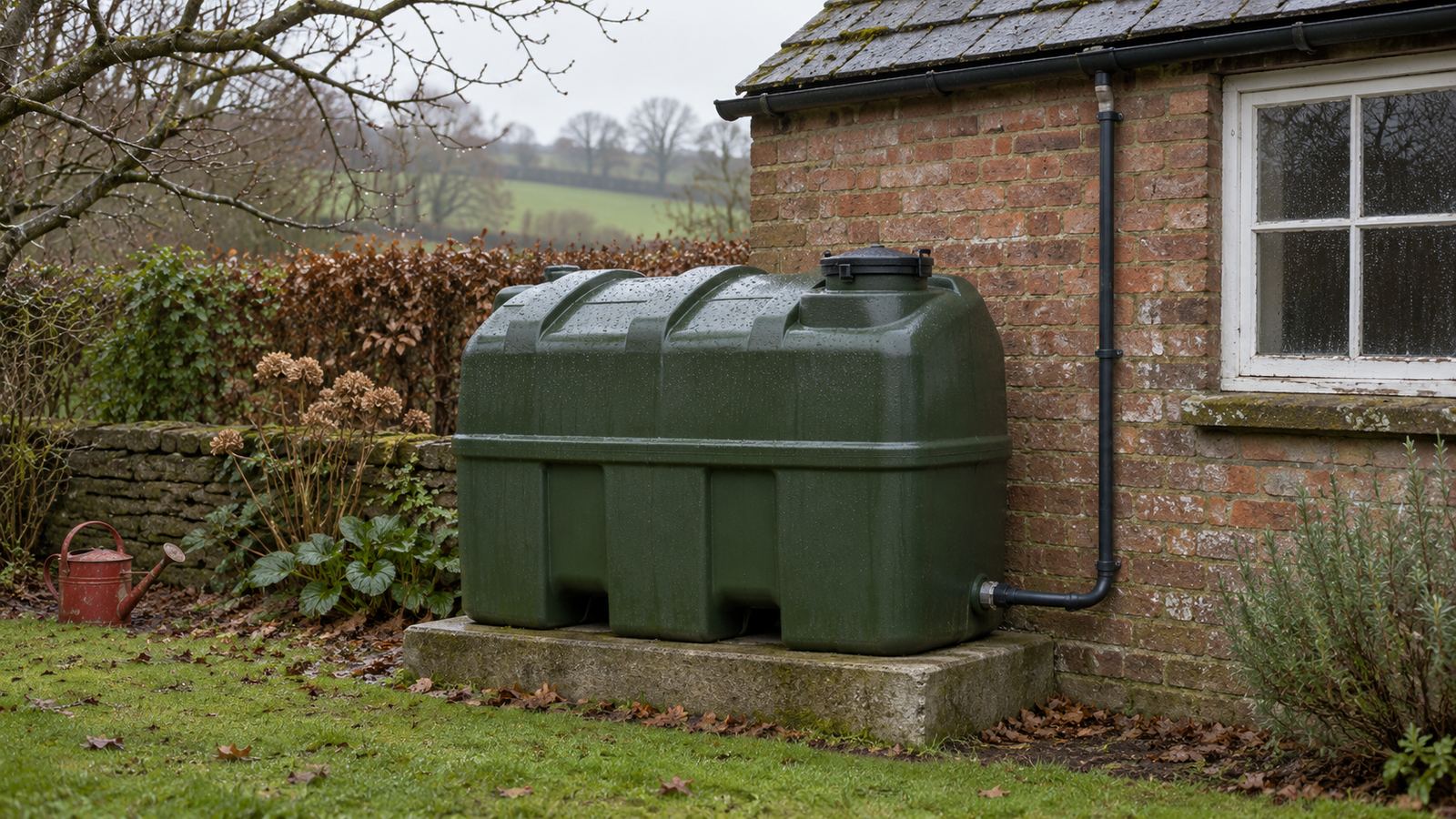
The overlooked dependency
The Drinking Water Inspectorate says oil and fuel in the ground can contaminate some buried plastic drinking-water pipes. If pipe material becomes contaminated, flushing alone will not fix it. GOV.UK advises regular tank checks, safe professional clean-up and prompt reporting when watercourses may be affected.
The key issue is invisible migration: fuel can soak into soil and reach pipes or waterways before it is obvious indoors. Some plastic materials allow hydrocarbons to permeate; replacing a contaminated service pipe may be necessary. The type of buried pipe, spill location, contamination and remedy need qualified assessment. Do not treat a drop in tank level as definitive proof of a leak; consumption changes for many reasons.
What you can do now
- For homes with oil tanks, check the tank and pipework for visible damage and unexpected changes in oil level.
- If a leak is suspected, keep people away from the spill and avoid washing oil into drains.
- Contact the insurer, fuel supplier and a competent oil-tank specialist.
- If water has a fuel-like smell or taste, stop using it and contact your water company promptly; do not assume boiling makes it safe.
What this does not mean
Do not enter tanks or attempt spill clean-up or pipe repairs yourself. In England, report pollution risk to the Environment Agency on 0800 80 70 60; other nations have different agencies. Only a qualified professional should assess contaminated pipes.
This information is independent editorial planning guidance from READY/. In an active incident, follow current instructions from the relevant emergency services, authorities, utilities and qualified professionals. Do not undertake dangerous inspections, repairs or tests.
Ask the household / ask the team
For anyone using heating oil: do you know how you would spot a slow leak before the tank ran empty?
Write down the resulting decision or unanswered question, identify who can confirm it, and keep that contact detail accessible.
Sources and scope
- Drinking Water Inspectorate — Oil, Fuel and other Hydrocarbons
- GOV.UK — Storing oil at your home
- GOV.UK — Report water pollution in England
Checked against public sources on 9 November 2026. Local services, eligibility and individual circumstances vary. No affiliation with the UK Government is claimed.
READY/ produces independent practical planning aids. This article does not replace current advice from public authorities, emergency services, providers or qualified professionals.