The overlooked dependency
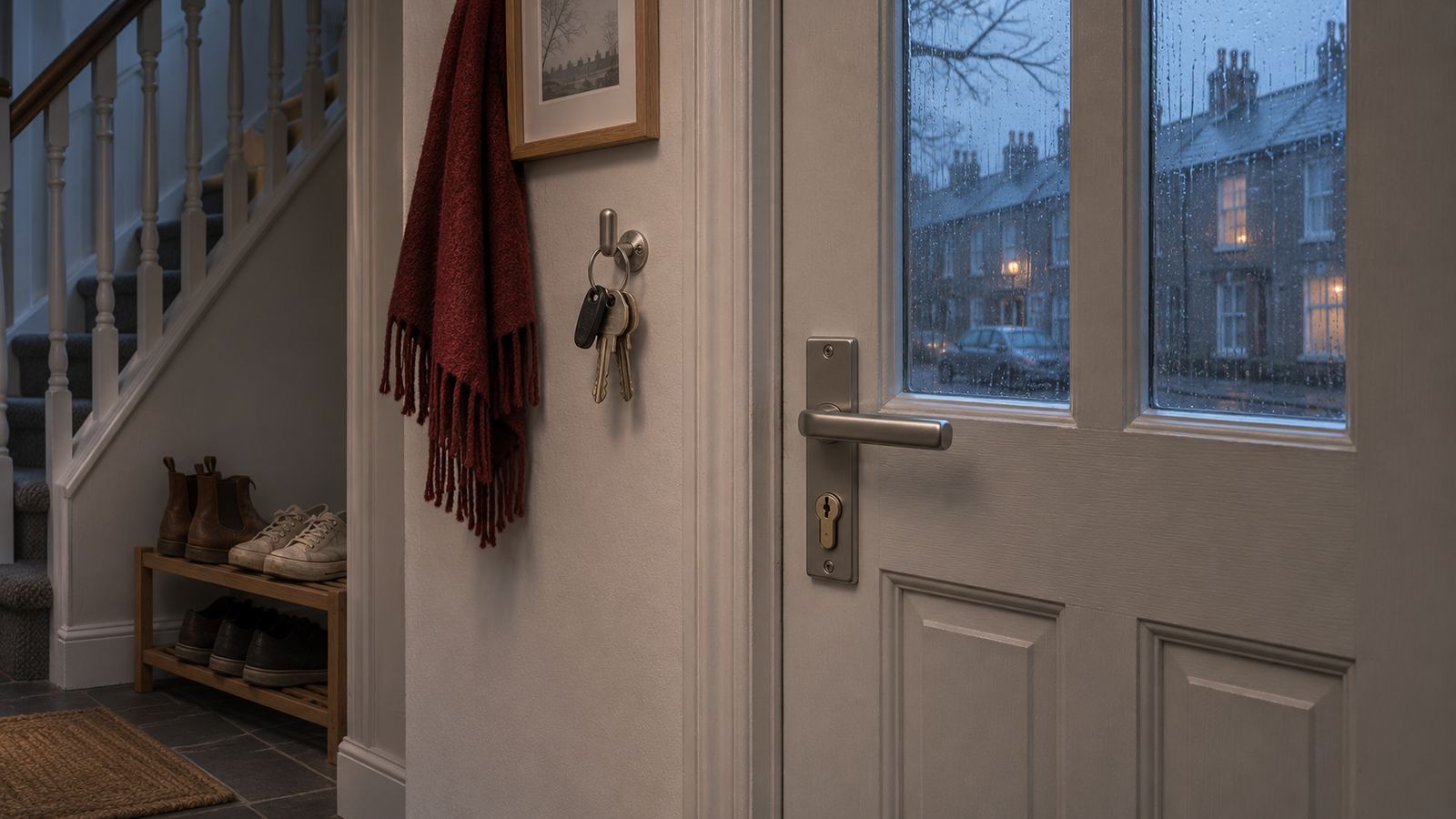
Fire Kills and UK fire-service guidance say exits must be clear and the door and window keys should be in a safe, accessible location near the exits they fit. Everyone in the household needs to know how to open the way out, including in darkness or reduced visibility.
The right preparation is a brief household walk-through in ordinary conditions, not locking anyone in to rehearse. Accessibility matters: someone may not have the strength, dexterity or familiarity to open a particular lock quickly. Security and escape need considering together. In a block of flats, the responsible person’s building evacuation strategy should be understood separately from a household’s own door-and-key arrangements.
What you can do now
- When there is no emergency, walk from sleeping areas to the normal exit and a practical alternative.
- Check that people who may need assistance know how to open the door and where the key is kept.
- Avoid storage, shoes or bikes obstructing the route.
- Practise a simple escape plan without locking anyone in or putting people at risk.
What this does not mean
Do not publish photographs of your house keys, locks or exact storage place. In a real fire, get out, stay out and call 999. Flats should also follow the building-specific fire strategy.
This information is independent editorial planning guidance from READY/. In an active incident, follow current instructions from the relevant emergency services, authorities, utilities and qualified professionals. Do not undertake dangerous inspections, repairs or tests.
Ask the household / ask the team
What do you think catches people out more: a blocked hallway, a missing key, or not having a second route?
Write down the resulting decision or unanswered question, identify who can confirm it, and keep that contact detail accessible.
Sources and scope
Checked against public sources on 9 November 2026. Local services, eligibility and individual circumstances vary. No affiliation with the UK Government is claimed.
READY/ produces independent practical planning aids. This article does not replace current advice from public authorities, emergency services, providers or qualified professionals.