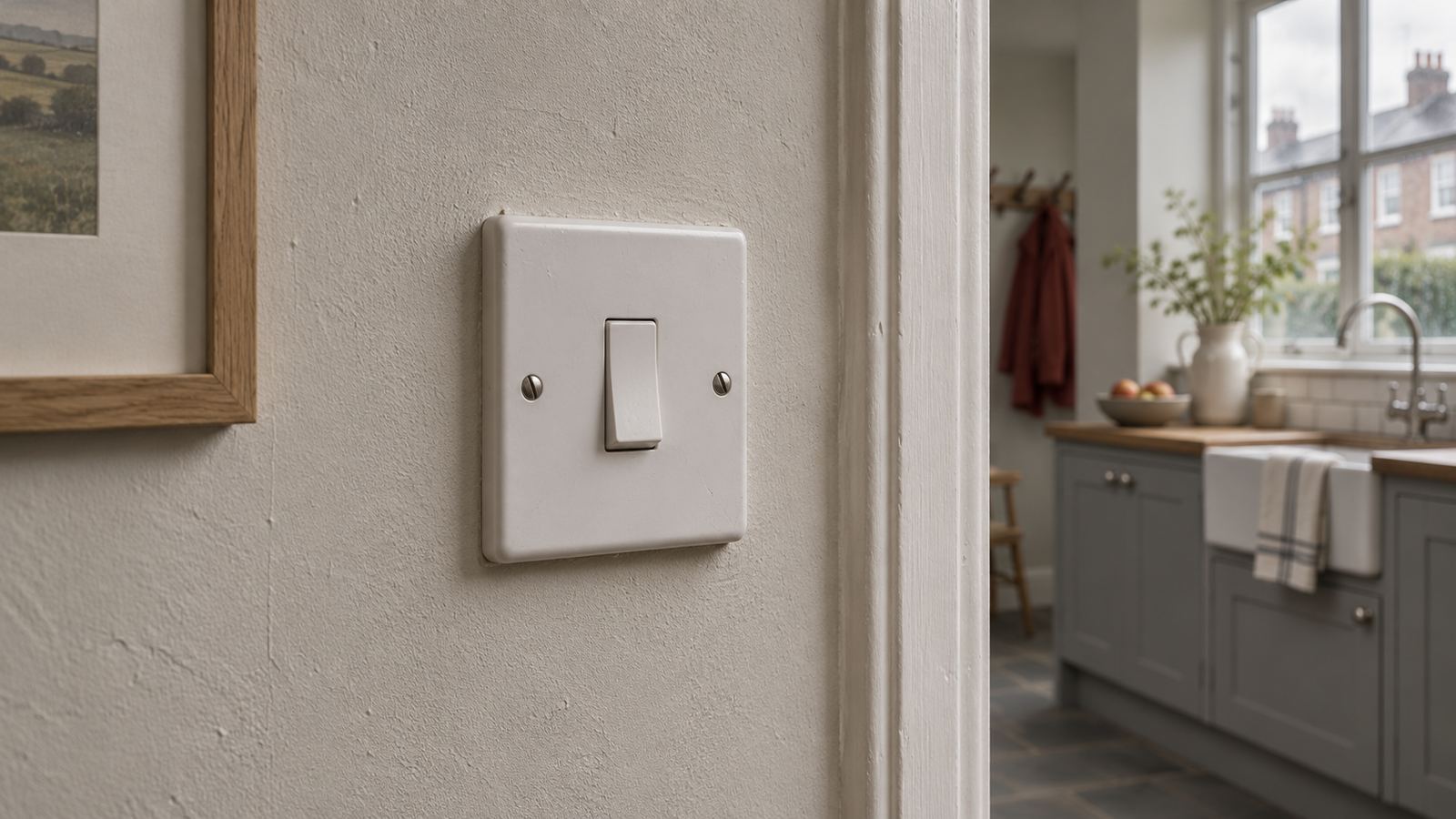
The overlooked dependency
National Gas and gas-network guidance tell people not to operate electrical switches or create sparks when they suspect a natural-gas leak. Ventilate where safe, avoid naked flames, and contact the gas emergency service immediately. Great Britain and Northern Ireland have different emergency telephone numbers.
Smelling gas, a gas alarm sounding and suspected carbon monoxide are related but different situations. Do not use a carbon-monoxide alarm as a detector of natural gas. For a suspected natural-gas leak, source-specific emergency advice takes precedence; avoid switches and sparks. LPG users should use the appropriate LPG supplier’s emergency guidance. The different numbers in GB and Northern Ireland should be printed on household contact sheets.
What you can do now
- If you suspect a leak, do not operate electrical switches, door-entry systems or naked flames.
- Open doors and windows when it is safe to do so, and keep away from the suspected area.
- Shut off the gas at the accessible meter valve only if safe and appropriate; never enter a cellar to reach it during a suspected leak.
- Call 0800 111 999 in Great Britain; 0800 002 001 in Northern Ireland. Follow the operator’s advice.
What this does not mean
If there is immediate danger, leave and call emergency services from a safe location. LPG systems can require a supplier-specific emergency response. This is advance-preparation information, not a substitute for reporting an actual leak.
This information is independent editorial planning guidance from READY/. In an active incident, follow current instructions from the relevant emergency services, authorities, utilities and qualified professionals. Do not undertake dangerous inspections, repairs or tests.
Ask the household / ask the team
Before reading this, would you have instinctively turned the hall light on, turned the gas off, or walked outside first?
Write down the resulting decision or unanswered question, identify who can confirm it, and keep that contact detail accessible.
Sources and scope
- National Gas — Emergency contacts
- Cadent — What to do if you smell gas
- nidirect — Energy, power supply and utilities
Checked against public sources on 9 November 2026. Local services, eligibility and individual circumstances vary. No affiliation with the UK Government is claimed.
READY/ produces independent practical planning aids. This article does not replace current advice from public authorities, emergency services, providers or qualified professionals.